
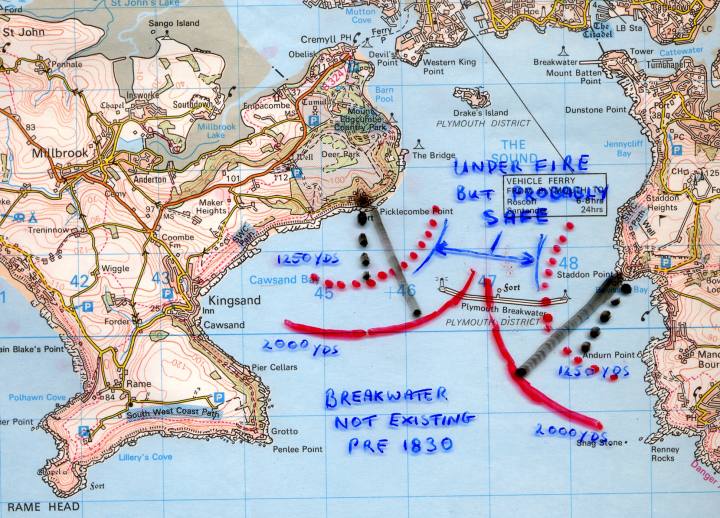
It is inevitable that Divers will find many types of “Artillery projectiles” and other types of ordnance when diving arround Plymouth. Over the centuries large numbers were fired out into the sea from the numerous shore batteries that line the edges of the Sound. Finds from the earliest times are typically “Roundshot” ( cannonballs) and mainly were fired from Staddon Point Battery and the early Picklecombe Fort.
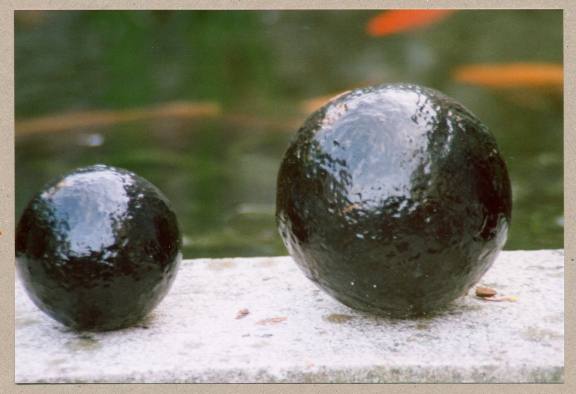
The guns had ranges out to about 2,000 yards and if an arc is drawn on a map of the Sound it will show where most shot are to be found.
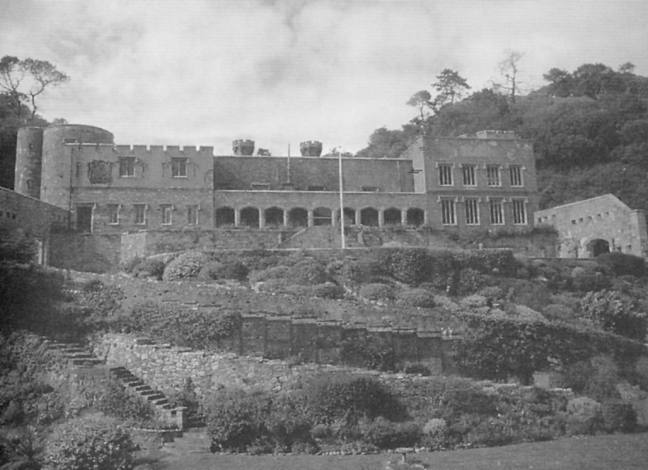
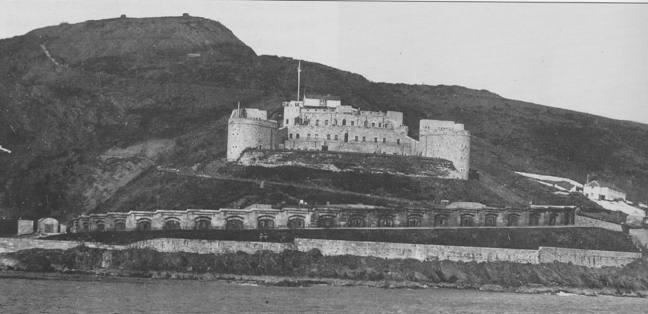
These two forts below are the source of many of the “Cannonballs” that are found in the waters off Plymouth.
Due to chemical reaction with seawater, a “Concretion” up to about 2″ thick will form on “Cast Iron” objects and the carbon content of the metal itself gradually converts to a form of graphite. This will fall to dust if the projectile / cannonball is raised and dried out.
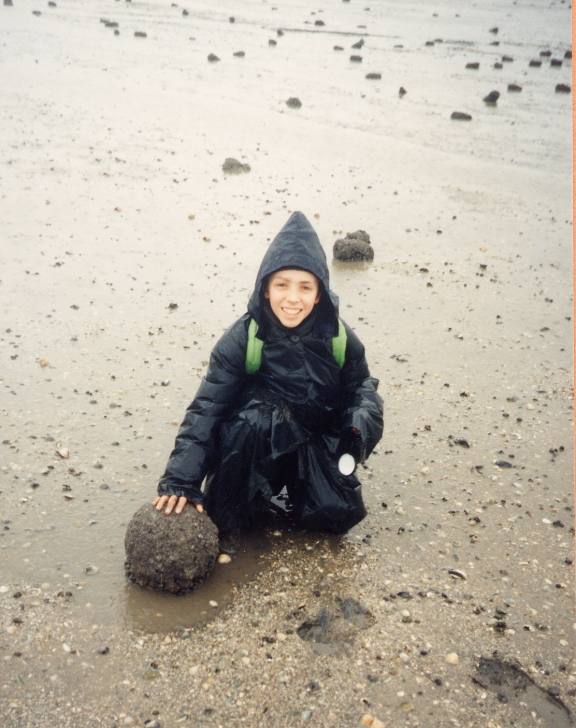
Sometimes you can find two small cannon balls joined by a metal bar. These are called Bar Shot and were very usefull in ripping sails, or chopping down masts. You can also find them joined with chain but these are very rare as the chain tends to rust away.
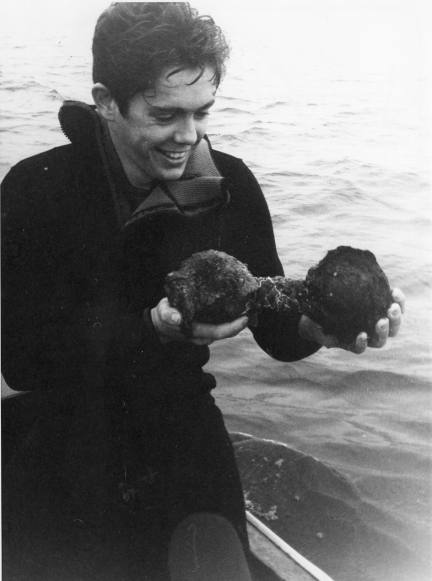
You can also find cannonballs with a wooden peg in them. These are full of ‘black powder’ and the wooden peg acted as a crude fuse.These were more properly called a ‘mortar’ and were fired at a ship or land battery, and exploded when it hit the side of the ship or fort.They were not very effective but there are quite a few to be found in shallow water. If dried out the ‘black powder’ will probably ignite, so its not one for putting by your fireplace.

Judith says
HI
If I send you a photo of what I hope is a cannonball, could you tell me if you think it is one or not. It is not completely round, it has a lump on it’s surface. Having read you article, I am wondering if this is the remains of where a chain or bar was once attached. However, you say these bar shot cannonballs are small & this one is almost too heavy for me to lift.
Thank you
Judith
Veronica Long says
I have a cannonball measuring approximately 7 inches in diameter with a hole which could have been a stopper to hold the powder in. Found on an East Sussex farm in the 1970’s, is it possible to date it, and is there any value on it?
Karen Purdy says
We have recently had some work done on the 400 year old part of our house. The builders found a bar shot buried in the wall above some rotten wooden lintels. The shot is quite coroded but is still in one piece.
I live in the village of Ringmore in the South Hams in Devon about 1/2 mile from the sea. I have been told that this coastline was used for target practise and shots were fired inland. Do you have any idea how old it might be and how it came to be buried in our house wall.
Many thanks
Karen Purdy
Rob says
I have recently come across what looks like a cannonball but I can not find anything about it can you help? It is 5 inches diameter, weighs about 17 lbs and has stamped on it 128mm and 726k. It also has what looks like a round fuse like thing with two demples where maybe it can be unscrewed? Please help.
Colin Pavitt says
Hi, I have found a 32 lb cannon ball that has been submerged in water for many years. How do I dry it out without damaging the ball?
Thanks Colin
Juan says
I have what a rather small, double cannonball. It’s approx. 8 inches long and each ball is about 2~ inches long. I was told that this kind of cannonball was used to break the main-mast of a ship.
Could you tell me if this is true? And it’s age?
Here’s a picture of it: http://i45.tinypic.com/2cmtcax.jpg
Bet says
I found what appears to be an old cannonball under an old barn I demolished in Madison County Texas. It is probably 8 inches in diameter, weights close to 50 pounds, and has one hole about 1 inch in diameter. I’m afraid to move the ball. Who can I contact to identify the object?
rick webster says
the round shot is found underwater in chile that is 2.5 inch diameter and made of stone. the weight is .360 kg.
is it round shot or cannonball? do anyone know about it??
thanks
david newsome says
i have found an old cannon ball in hamble southamppton water england it weighs 50lb 9inches diameter it has a whole in the top aprox 3 inches wide.
Could anyone tell me any history or aprox date of the cannon ball?
How do i keep the cannon ball from rusting out?
does anyone know the aprox value?
Burt says
I was given a cannon ball from a Retired us navy admiral gave me a cannon ball fuse not in he said they fired at prisoners that were told if they made it up the cliffs of dover they were to be released he was an ensign during
WW2 Stationed off England he said they went ashore at night and dug the cannon balls out of the cliff I would like to donate to a proper place in England
Bill Warren says
We found a very historic British ship which sank in 1861 and there about 100 cannonballs around the 5 cannons .would anyone be interested in buying any of the cannonballs or the cannons? The cannons fired a 47 lb cannonball, a 67 lb cannonball and the huge cannon which weighs 12,000 and fired a 110 lb cannonball.
lloyd evans says
I have a old cannon ball that has been in the sea from when it was fired about 1666 how can I stop it falling apart